Waterloo Region has a long tradition of transforming bold ideas into real-world impact, and the aerospace sector is no exception. Scroll down to see how decades of innovation brought AeroWR and Waterloo Region’s aviation, aerospace, & defence future to life.
Foundation: Manufacturing Heritage & The War Effort
The region’s aerospace leadership is built on a century of “making things.” This era established the precision skills and industrial capacity that would later transition into advanced aerospace manufacturing.
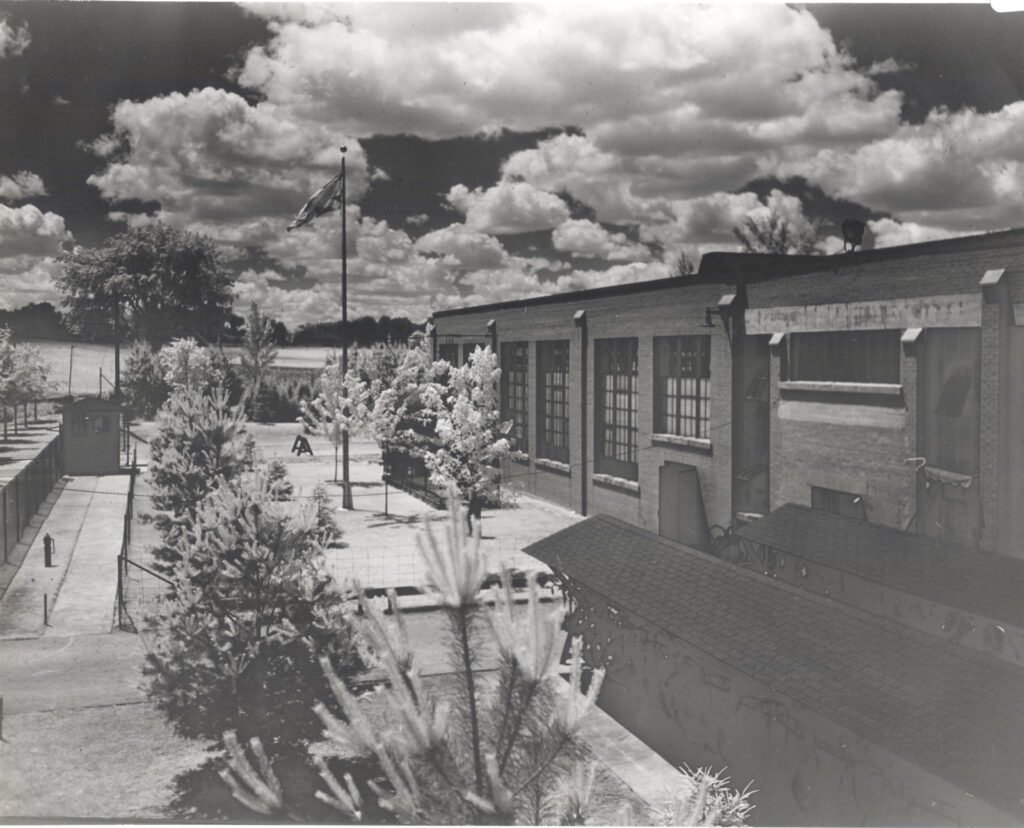
Credit: Kitchener Public Library Archives
1850s–1920s
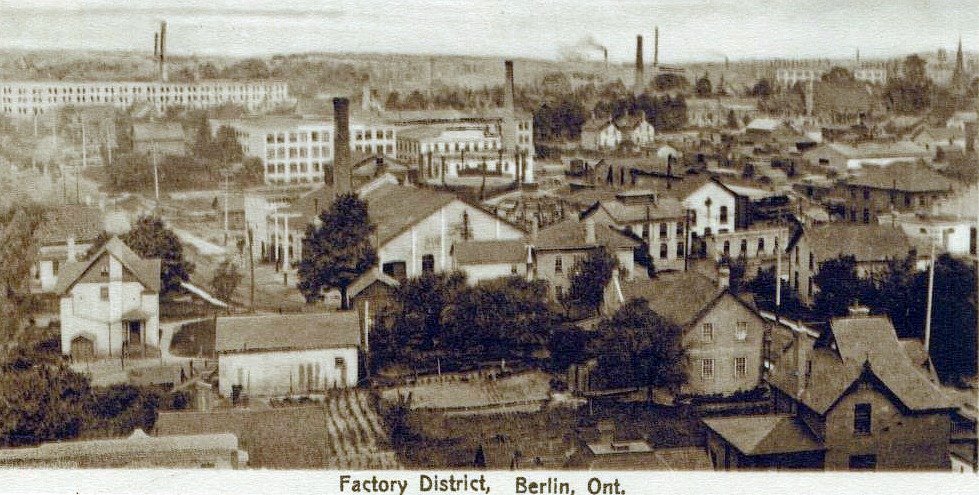
The Industrial "Factory City"
Waterloo Region becomes a manufacturing hub for heavy machinery, furniture, and leather. This created a workforce deeply skilled in fabrication and tool-and-die work—the grandparents of today’s aerospace technicians.
Credit: City of Cambridge Archives & Records Centre
1908
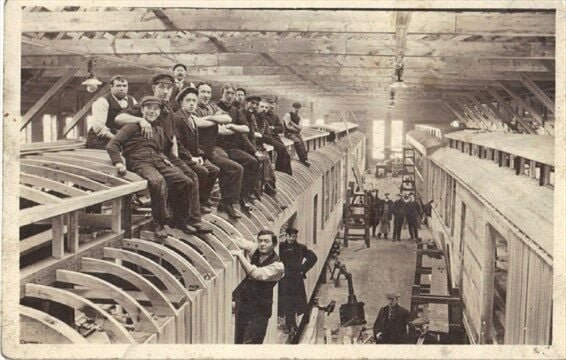
Preston Car & Coach Co.
Became a premier manufacturer of electric streetcars. It created a workforce skilled in complex transportation logistics and large-scale structural assembly.
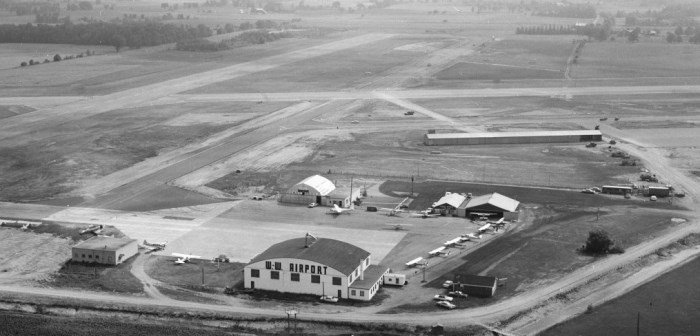
1929
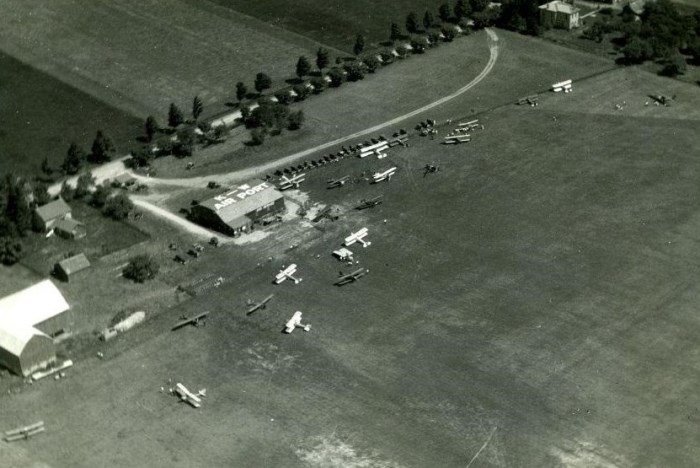
First Municipal Airport (Lexington)
The original Kitchener-Waterloo Municipal Airport opens on Lexington Road. It serves as the region’s first step into aviation, primarily for mail and flight training.
Credit: University of Waterloo Archives
1939–1945
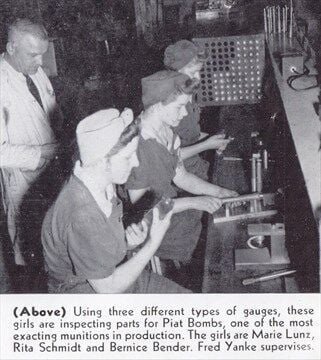
Sunshine Waterloo Company (WWII)
The former combine harvester factory converts to war production. It becomes Waterloo’s largest employer, producing Mosquito bomber nose assemblies, gun mounts, and smoke bombs.
Credit: The Ellis Little Local History Room at Waterloo Public Library
1943
Waterloo Manufacturing Company
This firm is tasked with building the wooden mock-ups and pilot turrets for the Skink Anti-Aircraft Tank, demonstrating the region’s early capability in complex defense prototyping.
The Age of Flight: Building a Global Gateway (1948 – 1990s)
Post-war, the region recognized that the small Lexington airfield could not support modern commercial aviation. The move to Breslau laid the physical groundwork for AeroWR.
1948
Airport Relocated to Breslau
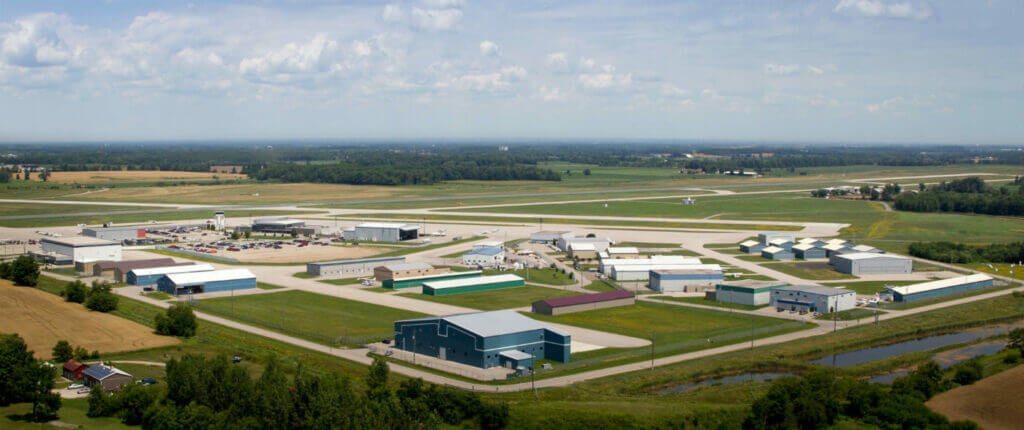
The Waterloo-Wellington Airport Commission purchases land in Breslau. The Lexington site is closed, and operations move to the current site of the Region of Waterloo International Airport (YKF).
Credit: University of Waterloo Archives
1960s–1970s
Academic & Research Boom
Founded in 1957, the University of Waterloo focused on engineering and computer science, begins to create the “intellectual supply chain” that will eventually merge with the manufacturing sector.
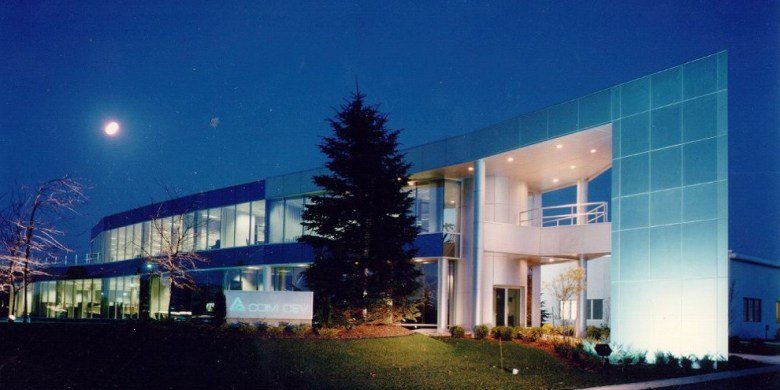
Credit: Com Dev/Honeywell
1974
COM DEV Established
Founded in Cambridge, COM DEV (now Honeywell Aerospace) put the region on the space map. They would become a world leader in satellite switches and multiplexers, with technology eventually flying on the James Webb Space Telescope.
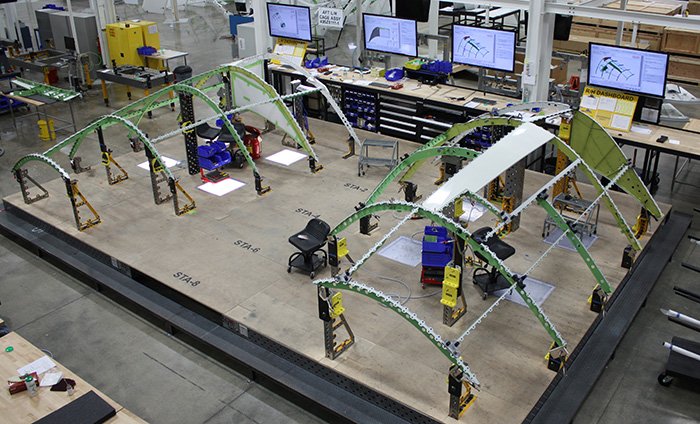
Credit: PCC Aerostructures
1974
Centra Industries Founded
Located in Cambridge (now PCC Aerostructures), this shop grew into a Tier 1 supplier, specializing in high-speed machining of wing and fuselage structures for Boeing and Bombardier.
1996
Region Takes Ownership of YKF
The Region of Waterloo purchases the City of Guelph’s interest in the airport, assuming sole ownership. This allowed for centralized investment and long-term strategic planning for the site.
The Convergence: Silicon Valley North Meets Aerospace (1990s – Present)
This is the differentiating factor for AeroWR: the collision of traditional manufacturing with world-class tech.
Credit: Waterloo EDC
Late 1990s
The Tech Explosion
The region gains global fame as a technology supercluster (BlackBerry, OpenText). This creates a local surplus of talent in embedded systems, sensors, and encryption—technologies vital to modern avionics and defense systems.
Credit: Eclipse Automation
2010s
Advanced Manufacturing (Industry 4.0)
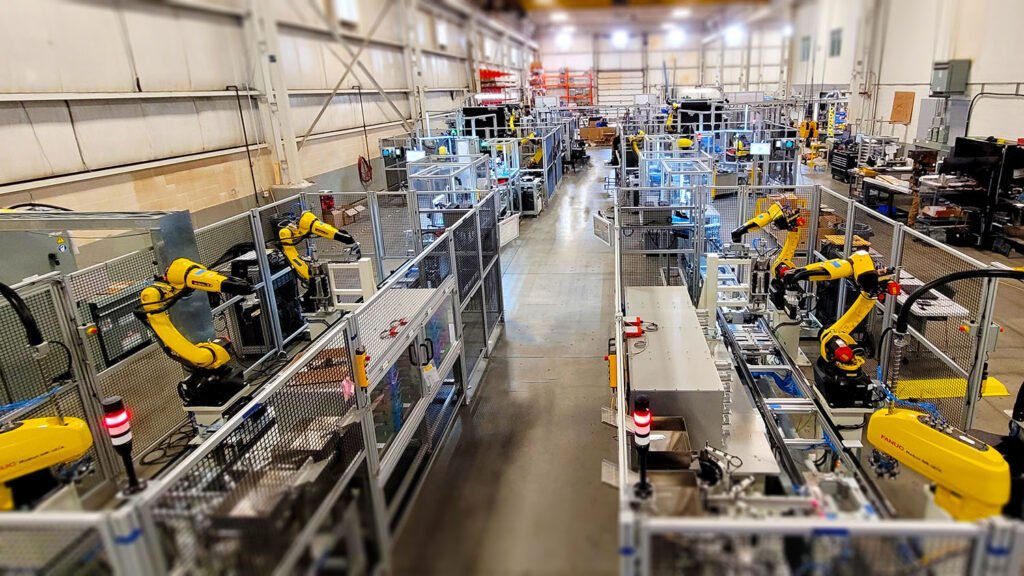
Local manufacturers pivot to “Advanced Manufacturing,” utilizing robotics and artificial intelligence. This allows heritage shops to win contracts for high-precision aerospace components (e.g., landing gear, satellite parts).
Credit: Héroux-Devtek
2015
Héroux-Devtek Expansion
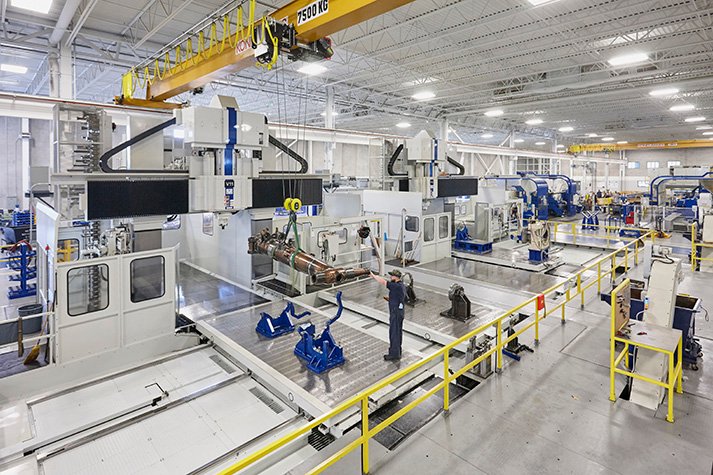
The landing gear giant opens a new greenfield facility in Cambridge, specifically to manufacture large-scale components for the Boeing 777 and 777X programs.
Credit: Shimco Canada
2015
Shimco Moves to the Region
Shimco, Canada’s only full-service manufacturer of aerospace shims and spacers, relocates its HQ and manufacturing from Markham to Cambridge to be closer to this supply chain cluster.
2017
New NAV Canada Air Traffic Control Tower
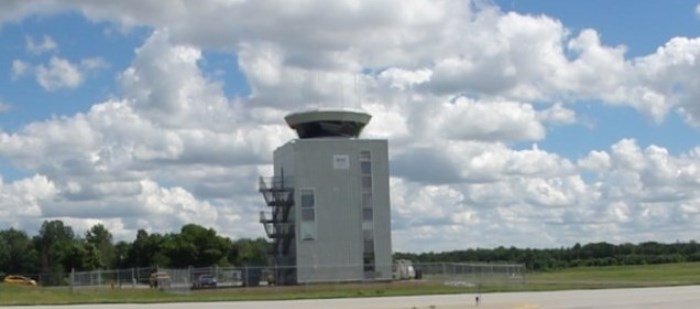
New, state-of-the-art control tower opens at YKF. The taller, more central location provides better sightlines to manage increased air traffic and flight school operations.
Credit: University of Waterloo
2021
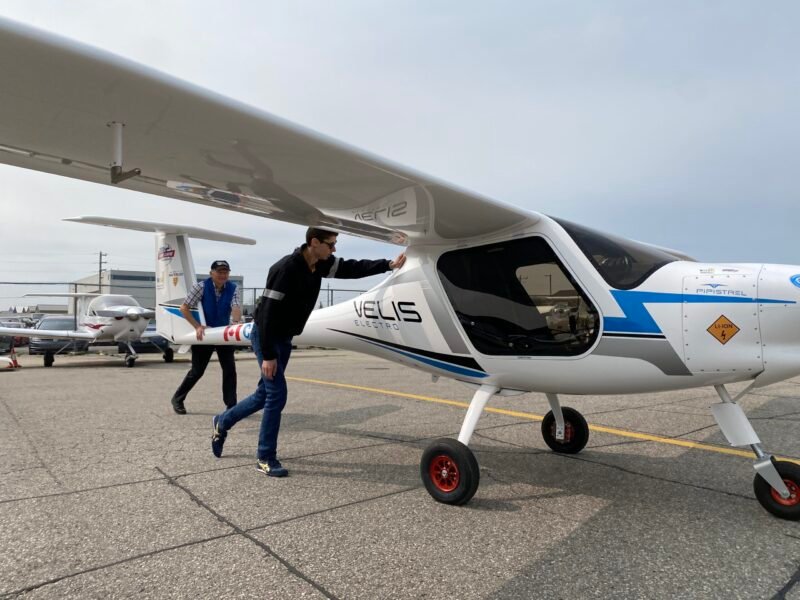
Waterloo Institute for Sustainable Aeronautics (WISA)
Launched at the University of Waterloo, WISA is Canada’s first research institute dedicated to sustainable aviation. Its mission is to address environmental, social, and economic challenges within the aeronautics industry.
Credit: Waterloo Wellington Flight Centre & University of Waterloo
2024
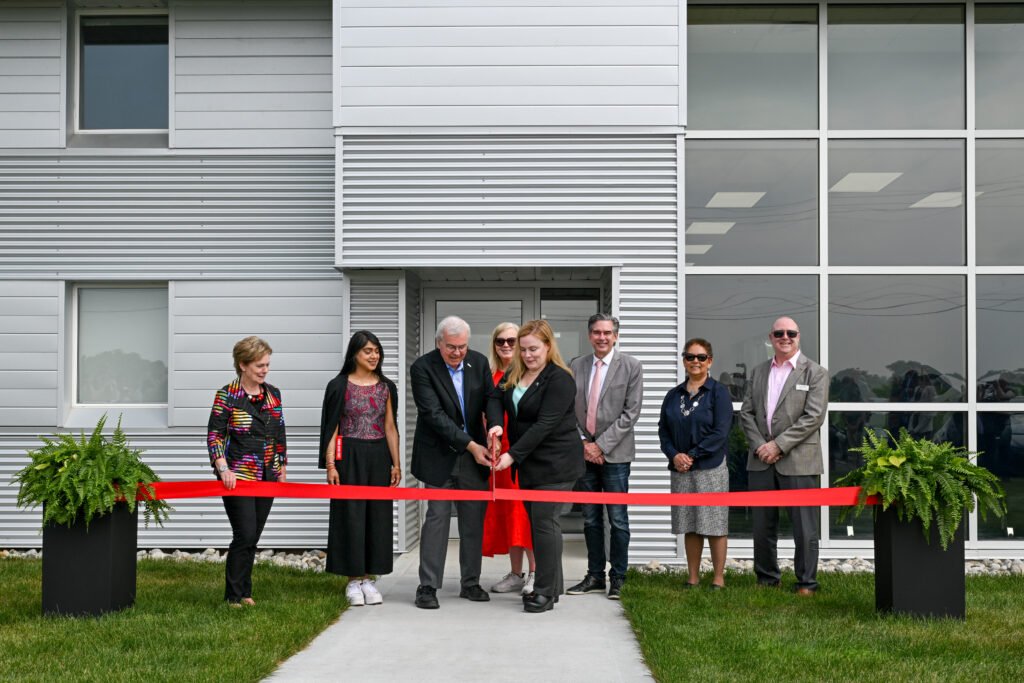
The Waterloo Wellington Flight Centre opens the Aviation SIM Centre and Innovation Hub
A state-of-the-art facility, developed in partnership with the Region of Waterloo International Airport (YKF) and the Waterloo Institute for Sustainable Aeronautics (WISA) opens. WWFC are responsible for nearly 20% of all commercial pilot licenses issued in Canada. Flight simulators include Boeing 737 MAX, De Havilland Q-400, and Airbus 320.
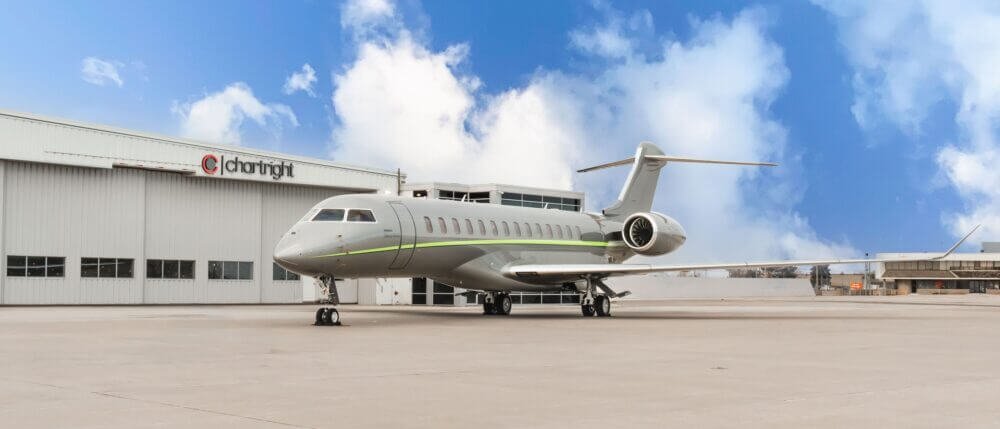
Credit: Chartright Air Group
2025
Bombardier
Chartright Air Group, joins forces with Bombardier (BBD-B.TO) and the Region of Waterloo International Airport (YKF) to support the final production and quality assurance for Bombardier Global aircraft.
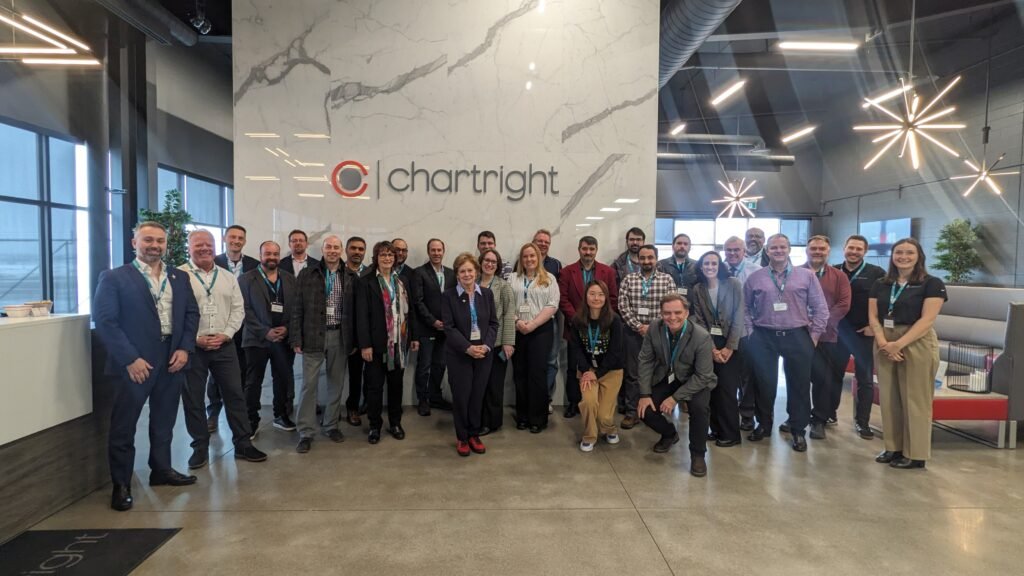
First AeroWR Industry Roundtable members
2025-Present
Launch of AeroWR and focused sector growth
Official recognition and coordinated effort to leverage the region’s unique blend of heritage manufacturing, world-class technology, and airport infrastructure to become a global leader in the aviation, aerospace, and defence sector.